













TL;DR:
- Rarity in guitars includes production, features, history, and craftsmanship, impacting value.
- Rare guitars often appreciate over time but may conflict with playability and personal use.
- Buyers should research, verify provenance, and balance rarity with their emotional and functional needs.
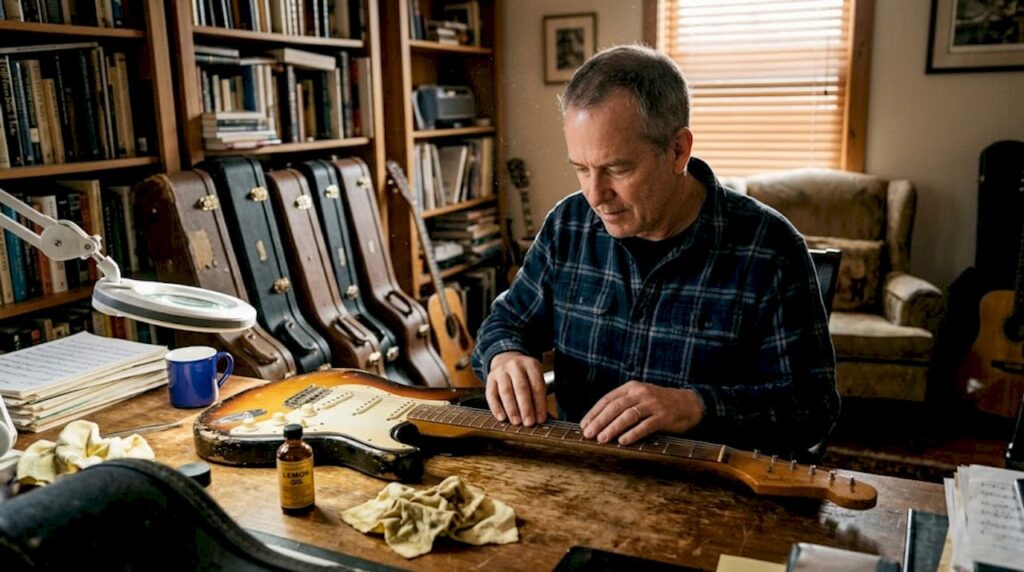
Some of the most coveted guitars in history aren’t the ones that sound the most extraordinary. They’re the ones nobody can find. A 1959 Gibson Les Paul Standard doesn’t command six figures because it plays better than every modern guitar on the market. It commands that price because fewer than 1,700 were made, and each surviving example carries decades of cultural weight. For collectors and investors, understanding rarity isn’t optional. It’s the foundation of every smart acquisition decision. This article breaks down what rarity really means, how it moves markets, where it conflicts with playability, and how to use that knowledge when building a collection worth owning.
Table of Contents
- Understanding rarity in guitars: Definition, types, and examples
- Rarity’s role in value and investment: Market trends and benchmarks
- Rarity versus playability and tone: The player’s perspective
- Practical tips for investing in rare guitars: What collectors should know
- Why rarity alone won’t guarantee satisfaction: A collector’s hard-won lesson
- Explore rare and vintage guitars for your collection
- Frequently asked questions
Key Takeaways
| Point | Details |
|---|---|
| Rarity drives value | Rare guitars appreciate in value due to limited supply and historic importance. |
| Collector versus player needs | Collectors focus on rarity and heritage, while players may prioritize tone and playability. |
| Investment tips matter | Careful authentication and understanding market cycles are essential for rare guitar investment. |
| Balance emotional and logical appeal | True satisfaction comes from guitars that inspire, not just those with rarity status. |
Understanding rarity in guitars: Definition, types, and examples
Rarity in the guitar world is not one single thing. It shows up in several distinct forms, and knowing the difference changes how you evaluate an instrument.
The most straightforward type is production rarity: guitars made in very small numbers. The 1950 Fender Broadcaster, widely recognized as the first commercially produced solid-body electric guitar, was discontinued within a year due to a trademark dispute. Surviving examples are extraordinarily scarce. Similarly, the most valuable guitars of 2026 include instruments where low production numbers are the single biggest driver of price.
Then there’s feature rarity: guitars that share a model name with common instruments but include a unique specification. A standard 1960s Martin D-28 is valuable. A 1960s D-28 with Brazilian rosewood back and sides, before the species became restricted under CITES regulations, is in a different category entirely. The wood itself is now legally protected, making those instruments irreplaceable.
Historical significance is the third pillar. A guitar once owned by a legendary player, used on a landmark recording, or associated with a pivotal moment in music history carries provenance value that production numbers alone can’t explain. This is why guitar heritage and craftsmanship history matter so much to serious collectors.
Handcrafted instruments from respected luthiers occupy their own category. A guitar built by a master luthier with a two-year waiting list and a production output of twenty instruments per year is rare by definition. As Guthrie Trapp discusses, heritage and tonal uniqueness are central to what makes a guitar worth seeking out, whether vintage or handcrafted.
Here’s a quick breakdown of rarity types and their primary drivers:
| Rarity type | Primary driver | Example |
|---|---|---|
| Production rarity | Low unit count | 1959 Gibson Les Paul Standard |
| Feature rarity | Unique specs or materials | Pre-ban Brazilian rosewood Martins |
| Historical significance | Provenance, ownership, recording use | Player-owned or stage-used instruments |
| Luthier/handcrafted | Limited annual output | Master luthier builds with waitlists |
Collectors pursue rare guitars for three overlapping reasons:
- Heritage: Owning a piece of music history that cannot be recreated
- Tonal character: Aged tonewoods and vintage construction methods produce sounds that modern manufacturing can’t replicate
- Status and community: Rare guitars signal expertise and seriousness within collector circles
If you’re new to this space, understanding why collectors love vintage guitars gives you the cultural context that makes these instruments so compelling beyond their price tags.
Rarity’s role in value and investment: Market trends and benchmarks
Rarity doesn’t just make a guitar interesting. It makes it expensive, and in many cases, it makes it a reliable store of value over time.
The numbers tell a clear story. A 1959 Gibson Les Paul Standard in excellent original condition has sold for over $400,000 at auction. In the 1990s, the same guitar might have fetched $50,000 to $80,000. That’s a five to eight times appreciation over roughly three decades, outpacing many traditional asset classes during the same period. The 40 most valuable guitars of 2026 consistently feature instruments where rarity is the primary value driver, not just age.
“High-rarity icons like the ’59 Les Paul and pre-war Martins have shown consistent long-term appreciation, though economic downturns and shifting collector tastes can create short-term price volatility.”
Here’s how rare models compare to more common vintage instruments in terms of investment behavior:
| Guitar type | Appreciation trend | Volatility risk | Liquidity |
|---|---|---|---|
| High-rarity icons (e.g., ’59 Les Paul) | Strong long-term gains | Moderate during recessions | Lower (fewer buyers) |
| Mid-tier vintage (e.g., 1960s Stratocasters) | Steady, moderate gains | Low to moderate | Higher |
| Common vintage models | Flat or slow appreciation | Low | High |
| Limited edition modern reissues | Speculative, inconsistent | High | Variable |
Understanding rarity vs. condition is critical here. A rare guitar in poor condition may not appreciate the way collectors expect. Condition and rarity work together, not independently.
Five key factors that drive rare guitar appreciation:
- Original parts: Guitars with all original hardware, pickups, and finish command significant premiums
- Documentation: Original cases, receipts, and factory records add provenance and value
- Player association: Instruments tied to famous musicians appreciate faster and more dramatically
- Market timing: Buying during economic downturns when sellers are motivated often yields better entry prices
- Scarcity reinforcement: As original examples are damaged, lost, or permanently collected, remaining instruments become rarer still
For collectors treating guitars as investments, understanding guitar valuation explained is a non-negotiable first step before committing serious capital.
Rarity versus playability and tone: The player’s perspective
Here’s where things get genuinely interesting, and where many collectors make expensive mistakes.
A guitar that sits in a climate-controlled case, never played, never adjusted, and never enjoyed is a financial asset. It may not be a musical one. This distinction matters more than most people admit.
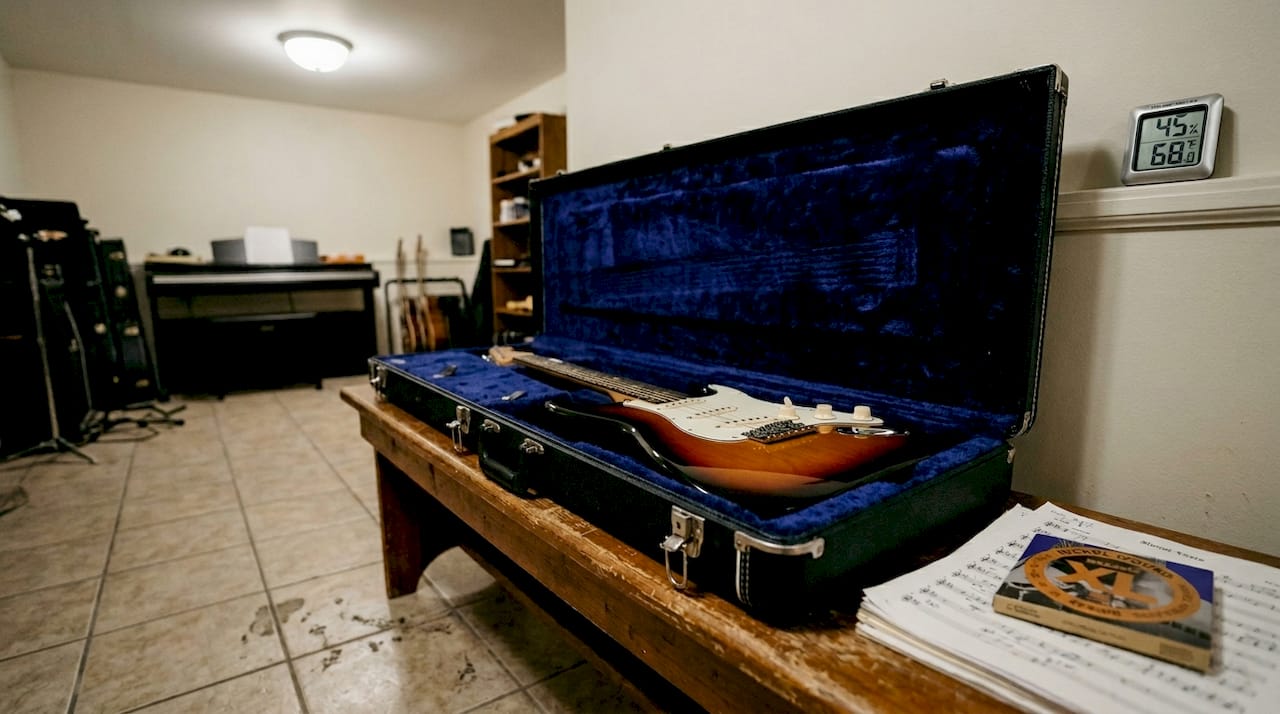
Guthrie Trapp’s insights on what he looks for in a guitar cut to the heart of this tension. For working players, fret contact, action, and how an instrument responds under your hands are the real priorities. Rarity is secondary, sometimes irrelevant.
The collector and player mindsets produce genuinely different purchasing decisions:
Collector priorities:
- Original finish percentage (even checking, cracking, and wear patterns matter)
- Matching serial numbers and factory-correct components
- Provenance documentation and chain of ownership
- Rarity within the model line (specific production runs, color options, hardware variants)
Player priorities:
- Low, comfortable action with clean fret contact
- Resonance and sustain that inspires performance
- Reliability under touring or studio conditions
- Repairability without destroying collectible value
The tension between these two lists is real. A ’59 Les Paul with all original parts and finish may have frets worn to the wood, a neck that needs a reset, and electronics that crackle. Playing it regularly risks damaging its collectible value. Restoring it destroys that value immediately.
So when should you prioritize rarity? When the instrument is a long-term investment, when you have other guitars to play, or when the historical significance genuinely moves you. When should playability win? When the guitar is your primary instrument, when you perform regularly, or when you want a vintage instrument that actually gets used. You can learn more about what defines a rare guitar and the advantages of vintage guitars to find where your priorities land.
Pro Tip: Before buying any rare guitar, play it or have it played in front of you. Even if you plan to collect rather than perform, understanding its current playability tells you about its condition, its history of care, and what restoration costs might look like down the road.
Practical tips for investing in rare guitars: What collectors should know
The rare guitar market rewards patience, knowledge, and skepticism in equal measure. It also punishes impulse buying and emotional decisions without due diligence.
As Guthrie Trapp notes, heritage and tonal uniqueness are what serious players and collectors value most, but modern instruments often win on reliability. That insight matters when you’re deciding between a fragile vintage piece and a well-built modern alternative.
Here are five steps every collector should follow before purchasing a rare guitar:
- Research the model’s production history: Know exactly how many were made, what variations exist, and which features are factory-correct versus modified
- Verify provenance: Ask for documentation. Original receipts, previous owner records, and any auction history add credibility and value
- Inspect condition independently: Never rely solely on seller photos or descriptions. Have a trusted luthier or appraiser examine the instrument in person
- Check the impacts of guitar condition: Understand how repairs, refinishes, and replaced parts affect both playability and market value before you negotiate
- Compare market data: Use recent auction results and dealer pricing to establish a fair value range before making an offer
Common pitfalls that cost collectors money:
- Paying a rarity premium for instruments that have been heavily modified or refinished
- Trusting listings that claim “all original” without independent verification
- Overpaying for hype around a model that has recently spiked in popularity but lacks long-term appreciation history
- Ignoring what makes a guitar rare in favor of brand name recognition alone
Pro Tip: Set a firm budget before you start looking, then subtract 15% for unexpected costs like setup, minor repairs, or proper storage. Rare guitars often come with hidden expenses that first-time collectors don’t anticipate.
Why rarity alone won’t guarantee satisfaction: A collector’s hard-won lesson
We’ve seen collectors acquire genuinely rare instruments and feel almost nothing. The guitar sits in its case, appreciated in theory, untouched in practice. The excitement of the hunt fades fast when the instrument doesn’t connect emotionally or musically.
Rarity is a market signal. It tells you something is scarce and therefore valuable to others. But it says nothing about whether that guitar will mean something to you. The collectors who report the deepest satisfaction aren’t always the ones who own the rarest pieces. They’re the ones who own guitars with personal resonance, instruments that connect their own story to a larger musical history.
As Guthrie Trapp’s perspective reinforces, playability and tone are what keep players returning to an instrument. A guitar that inspires you to pick it up every day has a kind of value that no auction result can quantify.
Our honest advice: buy what moves you, then confirm that the rarity and condition support the price. Don’t reverse that order. The guitars that collectors truly love are almost always the ones where personal connection and objective value align, not the ones purchased purely as financial instruments.
Explore rare and vintage guitars for your collection
If this article has sharpened your thinking about rarity and what it means for your collection, the next step is putting that knowledge to work.

At Vintage Guitar World, we curate instruments with verified provenance, expert condition assessments, and detailed historical context so you can buy with confidence. Whether you’re researching types of vintage guitars to understand what fits your goals, using our handmade guitar review guide to evaluate luthier builds, or ready to shop our curated collection, we’re here to support every stage of your collecting journey with expertise you can trust.
Frequently asked questions
What makes a guitar rare in the eyes of collectors?
A guitar is considered rare when it was produced in limited numbers, features unique materials or craftsmanship, or carries historic significance tied to a specific era or player. Heritage and tonal uniqueness are central to how serious collectors define rarity beyond simple production counts.
How does rarity impact the value of a vintage guitar?
Rarity typically pushes value upward, particularly for iconic models with documented low production runs, though condition and market timing also play significant roles. High-rarity icons show consistent long-term appreciation, but short-term fluctuations during economic cycles are common.
Should I prioritize rarity or playability when buying a guitar?
For investment-focused collectors, rarity and provenance often take priority. For players who intend to perform or record, playability and tone matter more. Guthrie Trapp’s approach highlights how working musicians often favor feel and response over collectible status.
What steps can I take to ensure a rare guitar is authentic?
Always research the model’s production history, request full provenance documentation, and have the instrument independently appraised by a qualified luthier or specialist before purchasing. Heritage and craftsmanship verification are non-negotiable steps in any serious acquisition.