












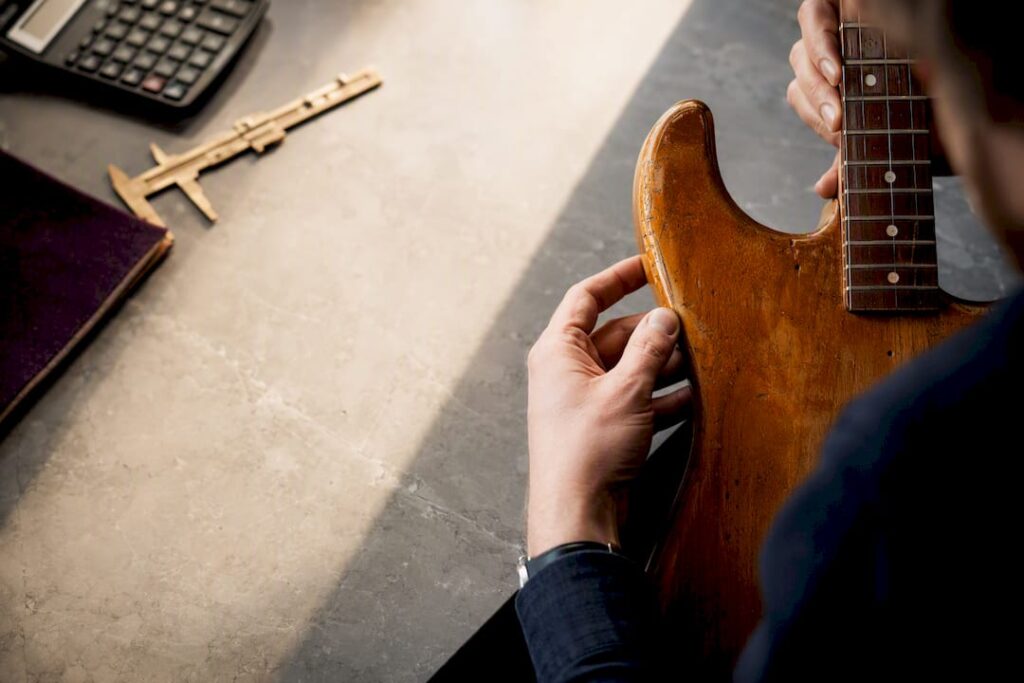

Yes, consigning a guitar in Germany costs money. Sellers typically pay a commission of about one-fifth of the final sale price, plus possible charges for shipping, payment processing, and setup work. A guitar that sells for €3,000 might net you €2,400 to €2,500 after deductions. The exact math depends on the dealer, so read the contract before you sign anything.
TL;DR:
- Shipping fees can range from €30 domestically to over €150 internationally, and some dealers include or pass these costs directly to the seller.
- Fees for payment processing, platform listings, marketing, and setup work can further cut into the payout, with withdrawal fees also possible if reclaiming an unsold guitar.
- Accurate valuation and transparent fee schedules before signing contracts prevent unexpected deductions and help set realistic reserve prices.
- A clear, itemized payout statement and proper preparation of the guitar improve trustworthiness and speed up the consignment process.
Table of Contents
- What Does Kommissionsverkauf Kosten for a Gitarre Actually Break Down To?
- What Factors Change How Much You Actually Get?
- What Fees and Contract Terms Should Raise a Red Flag?
- How Long Does Consignment Take and What Should the Payout Show?
- How Should You Prepare Your Guitar Before Consigning It?
- Why Consigning Through a Specialist Dealer Can Beat a Private Sale
- How Vintage-Guitar-World Handles Consignment
- Sources
What Does Kommissionsverkauf Kosten for a Gitarre Actually Break Down To?
The commission is the biggest line item, and it is where most of the surprises live. German dealers commonly charge about one-fifth of the gross sale price, and some set a minimum flat fee so a cheap instrument doesn’t sell for pennies of profit to the dealer. One well known guitar dealer publishes rates in this range and itemizes exactly what gets deducted before payout.
Shipping is the second cost sellers overlook. Someone has to pay to move the guitar from your living room to the dealer’s shop, and again to the buyer once it sells. Depending on the case and destination, that can run anywhere from €30 for a domestic parcel to well over €150 for international shipping on a full size acoustic in a hard case. Some dealers absorb this cost into their commission; others pass it straight through to the seller.
Then there are the fees nobody thinks about until the payout statement arrives:
- Payment processing fees deducted when the buyer pays by credit card or PayPal, typically a small percentage of the transaction
- Platform or listing fees if the dealer advertises on eBay, Reverb, or similar marketplaces alongside their own shop
- Marketing costs for professional photography, which some dealers include and others bill separately
- Setup or minor repair costs advanced by the dealer and deducted from your proceeds later
Some dealers charge return or withdrawal handling fees of roughly €199 to €200 if you pull the instrument back unsold, on top of whatever shipping and processing costs already accrued.
Ask for a written fee schedule on evaluating guitar value before you hand over the guitar. A dealer who hesitates to itemize costs upfront is not one you want holding your instrument for three months.
What Factors Change How Much You Actually Get?
Two guitars in identical condition can net wildly different amounts depending on who is selling them and how. Condition and originality drive most of the variance. A 1960s Martin with its original finish, case, and paperwork intact commands a real premium over the same model with replaced tuners and a refinished top, and that gap widens the older and rarer the instrument gets.
Pricing strategy matters just as much as the guitar itself:
- Open pricing (dealer sets the ask, adjusts as needed) tends to sell faster but can leave money on the table for rare pieces
- Reserve pricing (you set a floor) protects against a lowball sale but risks the guitar sitting unsold for months
- Minimum sale price clauses in the contract prevent the dealer from discounting below a number you agree to in advance
- Platform reach changes everything. A guitar listed only in a local shop window reaches a fraction of the buyers a guitar listed across multiple platforms simultaneously does, and dealers with wider reach often justify a slightly higher commission because of it
Pro Tip: Ask the dealer for a written estimate of expected market value before you agree to a reserve price. A dealer who has done a proper valuation can tell you whether your reserve is realistic or just wishful thinking.
What Fees and Contract Terms Should Raise a Red Flag?
Most consignment agreements are straightforward, but a few clauses tend to catch sellers off guard. Read for these before signing anything.
- Inspection or appraisal fees billed upfront. Some dealers charge to assess the instrument regardless of whether it ultimately sells, which is different from a commission taken only on a completed sale.
- Setup and repair costs advanced by the dealer. These often get deducted from your proceeds later, which is fine, but ask whether the work is optional or mandatory before agreeing.
- Withdrawal fees on unsold instruments. As noted, fees around €199 are not unusual if you reclaim a guitar that didn’t sell within the agreed window.
- Minimum commission floors. A flat handling charge that applies even on a low sale price can eat a disproportionate chunk of a cheaper instrument’s value.
- Vague deduction language. Contracts that mention “platform fees” or “processing costs” without specifying amounts leave room for surprises at payout.
Negotiate which services are optional and which are mandatory before the guitar leaves your hands.
How Long Does Consignment Take and What Should the Payout Show?
Most consignment agreements run for a sales window of 30 to 180 days, after which the dealer either extends the listing, lowers the price with your approval, or returns the instrument. Once a sale happens, payout typically follows within a couple of weeks, allowing time for payment processing and any short warranty or return window the dealer offers the buyer.
Your payout statement should show, in writing:
- The gross sale price the buyer actually paid
- Every deduction listed separately (commission, shipping, payment fees, any advanced repair costs)
- The final net amount transferred to you
A clear payout statement with each line itemized is the strongest sign you are dealing with a dealer worth trusting. If an unsold guitar comes back to you, confirm upfront whether you or the dealer covers that return shipping.
How Should You Prepare Your Guitar Before Consigning It?
A little prep work before drop off can shave costs and speed up a sale. Here’s the order that actually matters:
- Clean the instrument and put on a fresh set of strings. A guitar that looks cared for photographs better and sells faster.
- Gather your paperwork. Original invoices, provenance documents, and the serial number all support the dealer’s valuation and reduce back and forth later.
- Take or commission decent photos, though most dealers handle professional photography as part of their setup and marketing process anyway.
- Leave structural repairs to the dealer. Fret work, neck resets, and finish touch ups are better done by someone who knows how buyers in that specific market react to them.
- Check what the dealer needs from you. Expect to show ID and proof of ownership; instruments made with certain woods may require CITES documentation for export.
Pro Tip: Run through a guitar evaluation checklist before your appointment. Knowing your instrument’s condition issues in advance means fewer surprises when the dealer’s own inspection turns something up.
Why Consigning Through a Specialist Dealer Can Beat a Private Sale
Commission stings less when it buys you something a private sale can’t. A specialist who can certify provenance and document a guitar’s history often lifts the final sale price enough to offset the fee, particularly on vintage or collectible instruments where buyers pay a real premium for documentation they can trust.
That’s the calculation Vintage-guitar-world sees play out constantly. A 1970s classical guitar with no paperwork sells as a mystery. The same guitar with a documented valuation and certification sells as a known quantity, and known quantities command better prices. Consignment through an expert who understands vintage and handcrafted instruments isn’t just about listing reach. It’s about turning an unknown into something a serious buyer can verify.
— Vintage
How Vintage-Guitar-World Handles Consignment
Vintage-guitar-world offers a straightforward alternative to guessing your way through a dealer’s fine print: transparent commission terms, expert valuation before you commit to a reserve price, and testing appointments so you can see exactly how your instrument is evaluated before it goes to market.

Every consignment starts with a proper appraisal, not a guess, so you know what your guitar is actually worth before agreeing to any pricing terms. Deductions get itemized in writing, and payout timing is discussed upfront rather than buried in a contract clause. If your instrument is a vintage acoustic, a handcrafted classical, or anything with real provenance behind it, that documentation typically works in your favor at sale time rather than against you.
Browse the current collection of vintage guitars to see the caliber of instruments Vintage-guitar-world handles, or reach out directly to book a valuation appointment and get a straight answer on what your guitar could bring before you commit to consigning it anywhere.

Sources
For cross-border disputes, the EU ODR platform is the official channel for e-commerce complaints. Before consigning, check a dealer’s TrustedShops rating to confirm they publish clear fee and payout terms.
- Inzahlungnahme, Kommissionierung und Ankauf im Guitar-Place
- Gitarre verkaufen, in Zahlung geben oder in Kommission verkaufen — Musik-Center